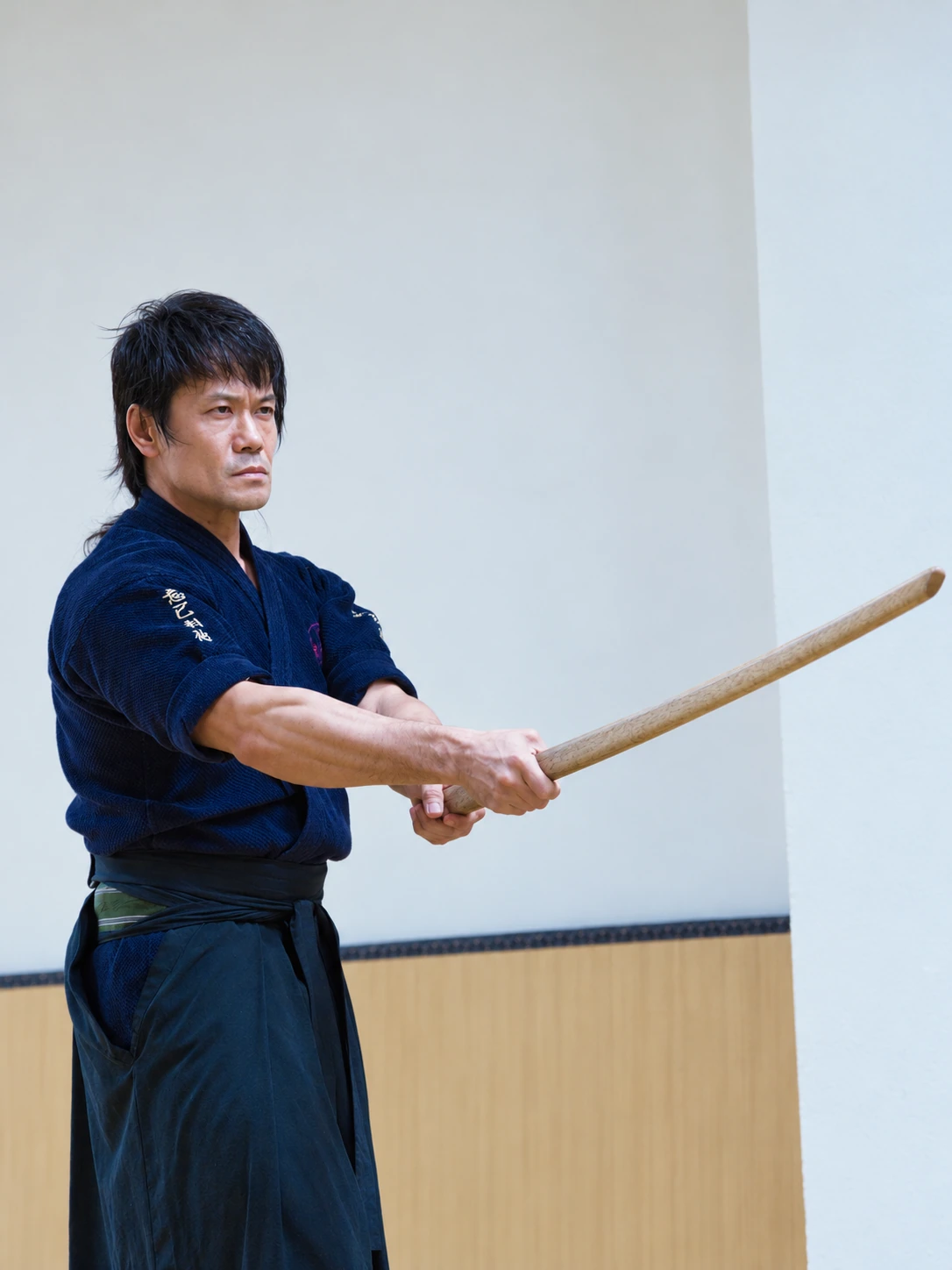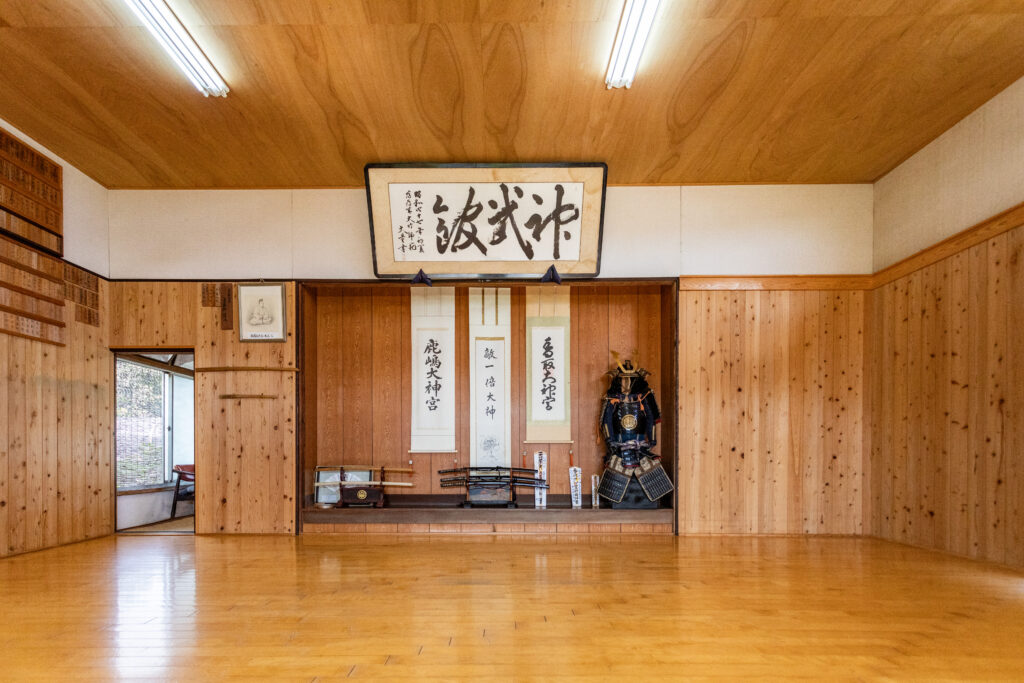
The Shinbukan dojo interior, with its plaque and wooden furnishings

Classical Japanese martial arts

Tenshinshō-denKatori Shintō-ryū

Katori Shintō-ryū in Hong Kong: classical Japanese swordsmanship and a comprehensive martial tradition encompassing kenjutsu, iai, staff and naginata.

Discover the tradition, its curriculum and the Hong Kong branch of Shinbukan’s Ōtake lineage.

Shinbukan · Hong Kong Branch

One tradition.
Many martial disciplines.
Tenshinshō-den Katori Shintō-ryū includes swordsmanship, iai, jūjutsu, staff, naginata, spear and shuriken. It is a comprehensive tradition embracing martial skills, strategy, philosophy and personal development.

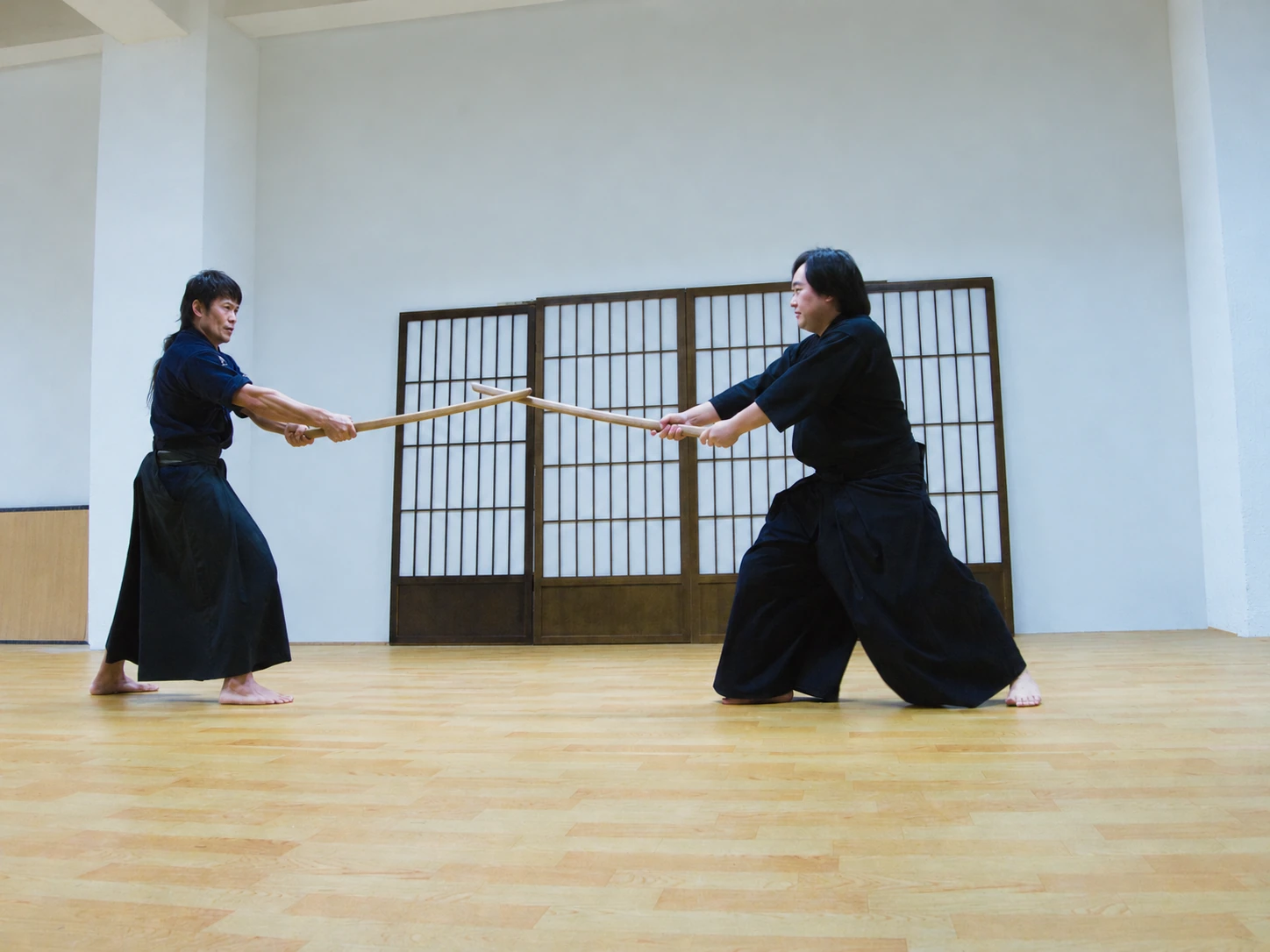
Beginners learn through kata, with a junior in the kirikomi role and a senior in the uketachi role. Under the instructor’s guidance, students work with experienced practitioners to understand the tradition’s techniques and principles.

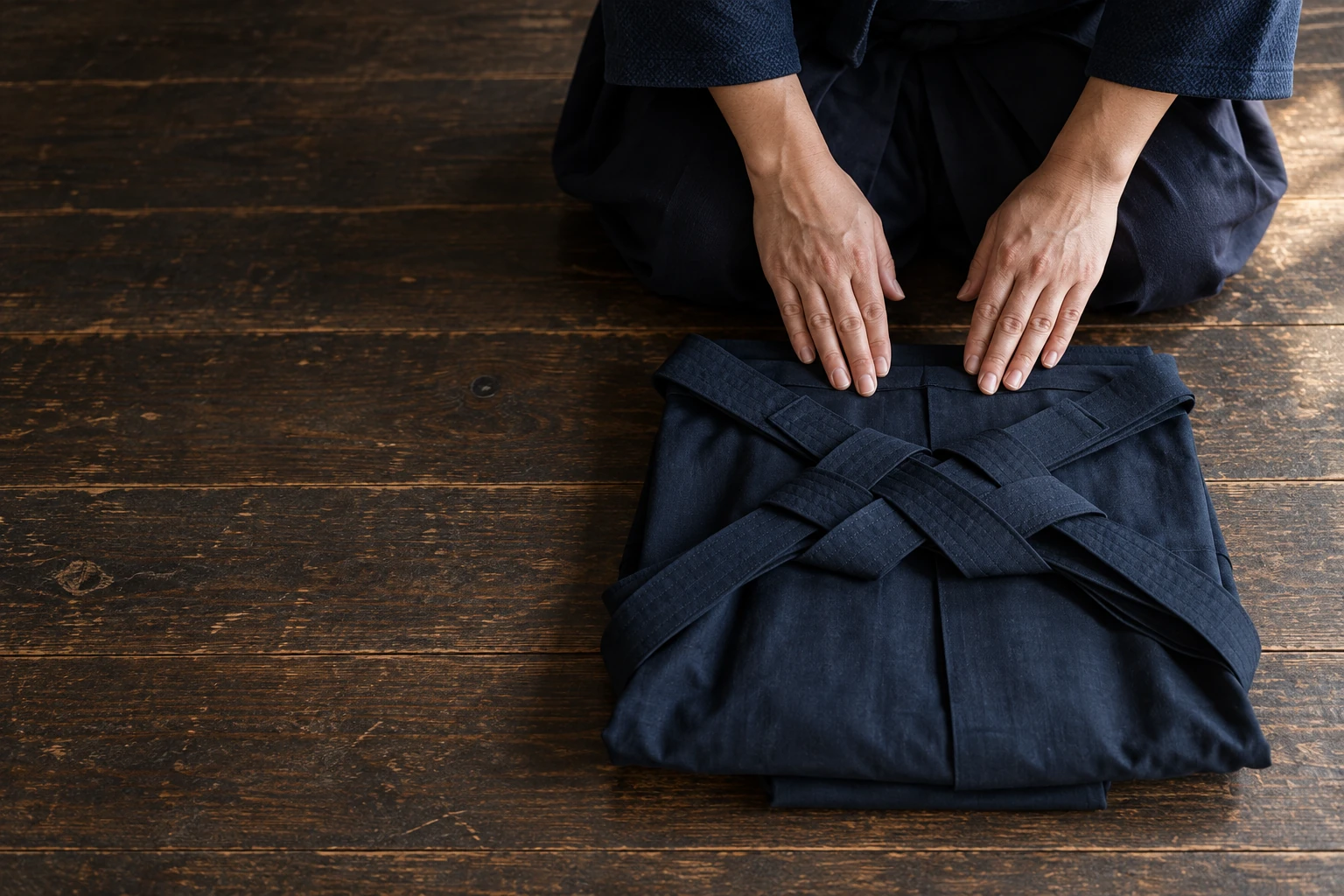
AI-generated illustration of folding training clothes

Curriculum01 / 05

Foundations

FOUNDATIONS

Begin with etiquette, wearing and folding training clothes, and footwork. Basic sword strikes (makiuchi) and staff swings (suburi) develop posture, movement and familiarity with the weapons.

Foundation skills6 skills
  1. Etiquette
  2. Wearing training clothes剣術着着付方法
  3. Folding training clothes剣術着収方法
  4. Footwork足捌方法
  5. MakiuchiBasic sword strikes
  6. Bō suburiBasic staff swings
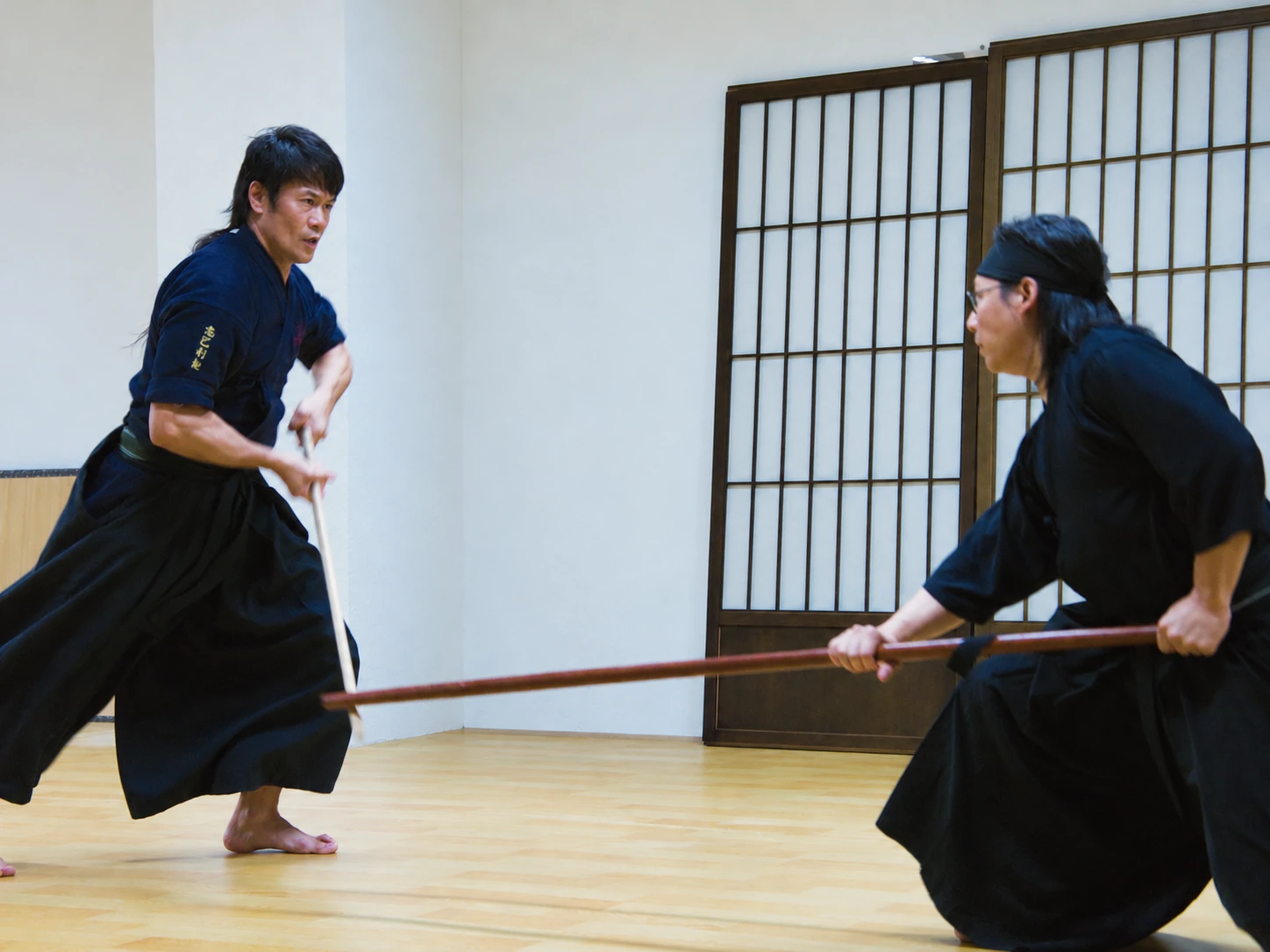
Wooden-sword demonstration at an event, with a retouched background

Curriculum02 / 05

Swordsmanship

KENJUTSU

Omote no Tachi comprises four extended foundational forms rooted in armoured combat. Paired wooden-sword practice combines a low stance, whole-body movement and strong cuts to explore attack and defence while developing coordination and endurance.

Swordsmanship forms4 forms

Omote no Tachi(4 forms)

  1. 五津之太刀Itsutsu no Tachi
  2. 七津之太刀Nanatsu no Tachi
  3. 神集之太刀Kasumi no Tachi
  4. 八神之太刀Hakka no Tachi
Another moment from the paired wooden-sword demonstration
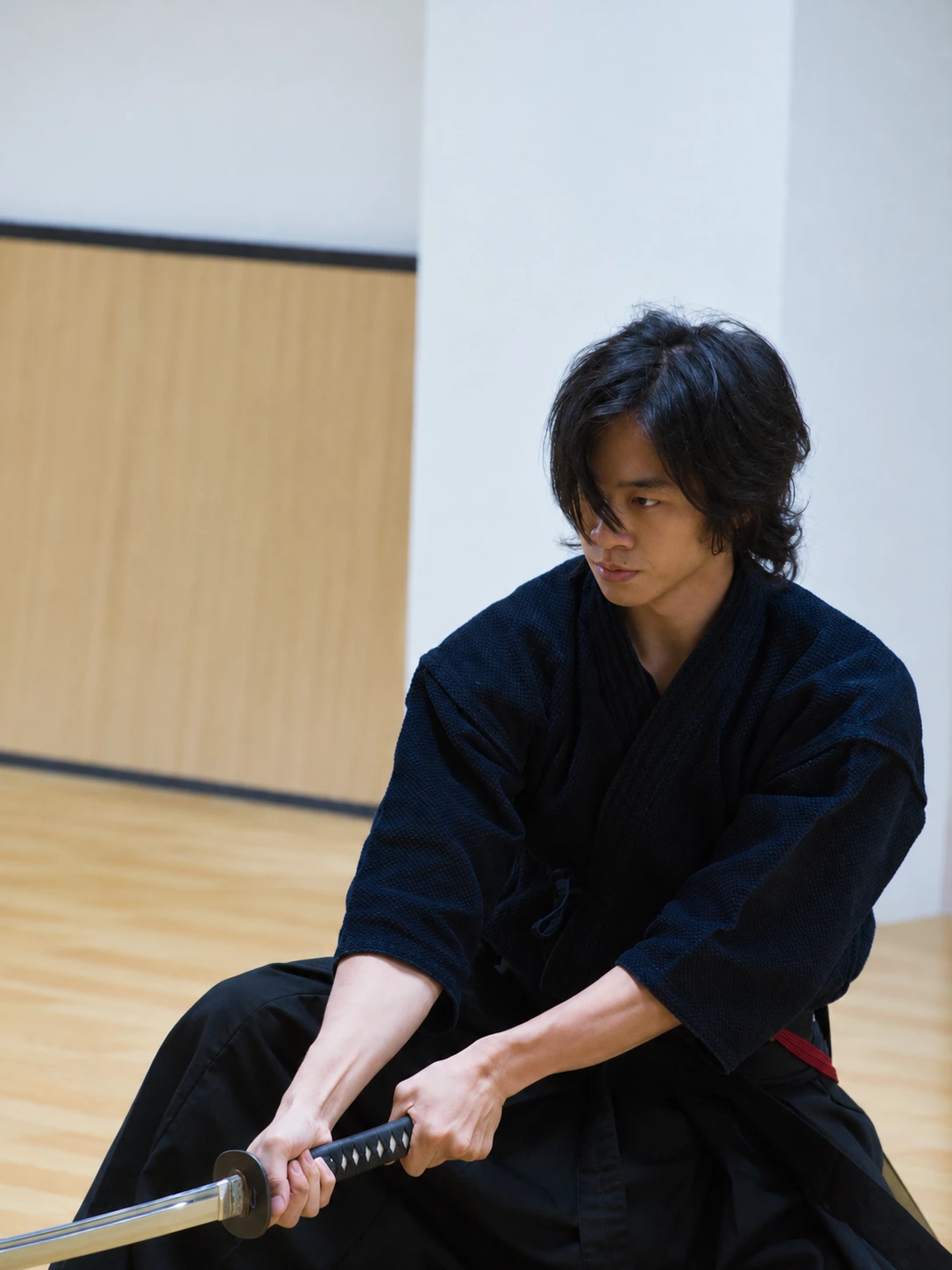
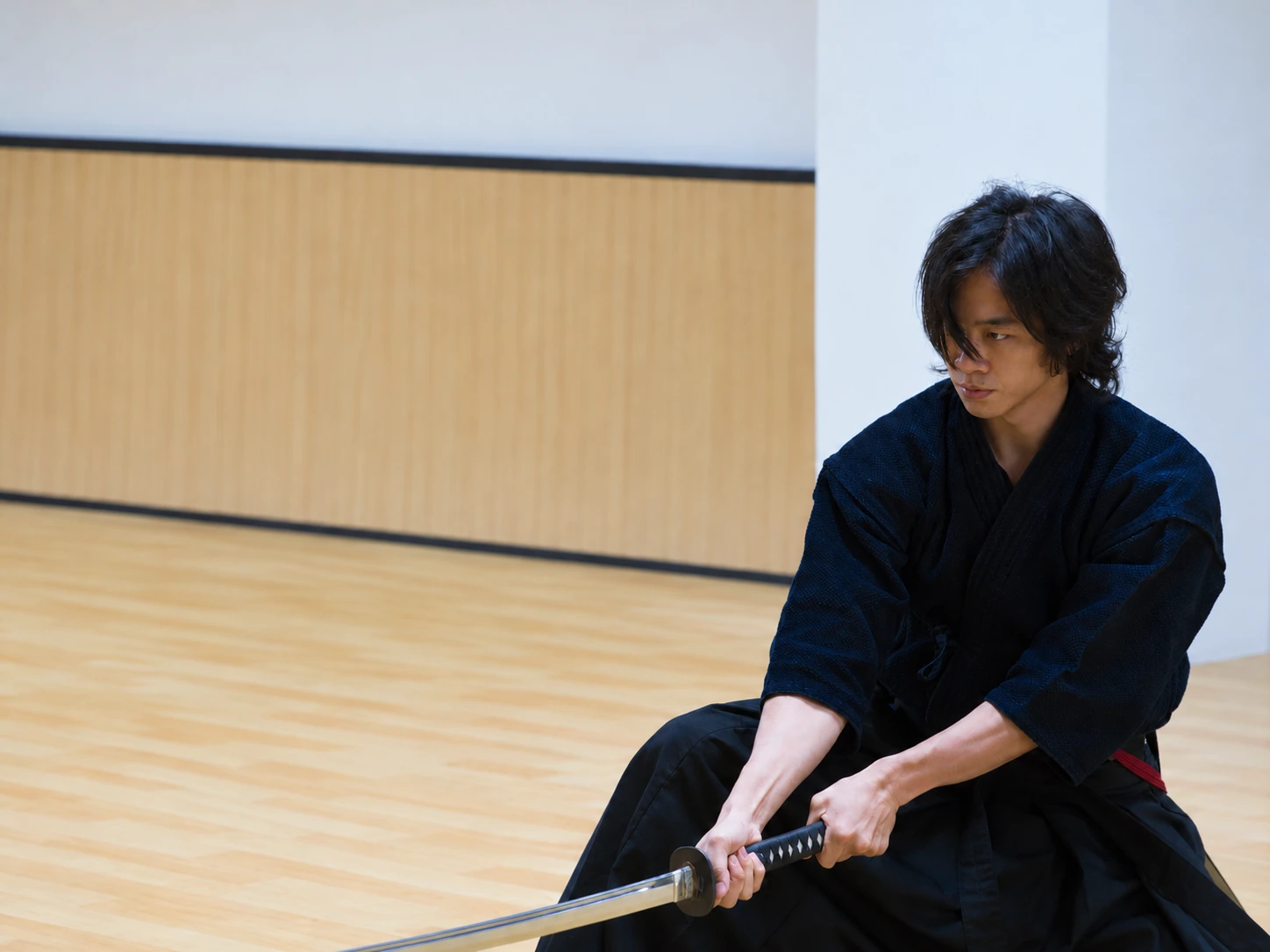
Iai demonstration at an event, with a retouched backgroundIai demonstration at an event, with a retouched background

Curriculum03 / 05

Iai & battō

IAIJUTSU / BATTOJUTSU

Iai unites drawing the sword and cutting in one action, responding to sudden encounters without armour. The five standing battō forms explore attacks while walking or from different directions, developing timing, distance and coordinated movement.

Iai & battō forms11 forms

Omote Iaijutsu(6 forms)

  1. 草薙之剣Kusanagi no Ken
  2. 抜附之剣Nukitsuke no Ken
  3. 抜討之剣Nukiuchi no Ken
  4. 右剣Uken
  5. 左剣Saken
  6. 八方剣Happōken

Tachiai Battōjutsu(5 forms)

  1. 行合逆抜之太刀Yukiai Gyakunuki no Tachi
  2. 前後千鳥之太刀Zengo Chidori no Tachi
  3. 行合右千鳥之太刀Yukiai Migi Chidori no Tachi
  4. 逆抜之太刀Gyakunuki no Tachi
  5. 抜討之太刀Nukiuchi no Tachi
Staff against wooden sword at an event, with a retouched background

Curriculum04 / 05

Staff

BOJUTSU

Bōjutsu uses a six-shaku staff and forms part of Katori Shintō-ryū’s comprehensive curriculum. Its introductory Omote no Bō consists of six forms, recalling battlefield situations in which a broken spear or naginata shaft served as a staff.

Staff forms6 forms

Omote no Bōjutsu(6 forms)

  1. 迫合之棒Seriai no Bō
  2. 臑挫之棒Sunehishigi no Bō
  3. 左右之棒Sayū no Bō
  4. 笠研之棒Kasahazushi no Bō
  5. 刎釣瓶之棒Hanetsurube no Bō
  6. 立浪之棒Tatenami no Bō
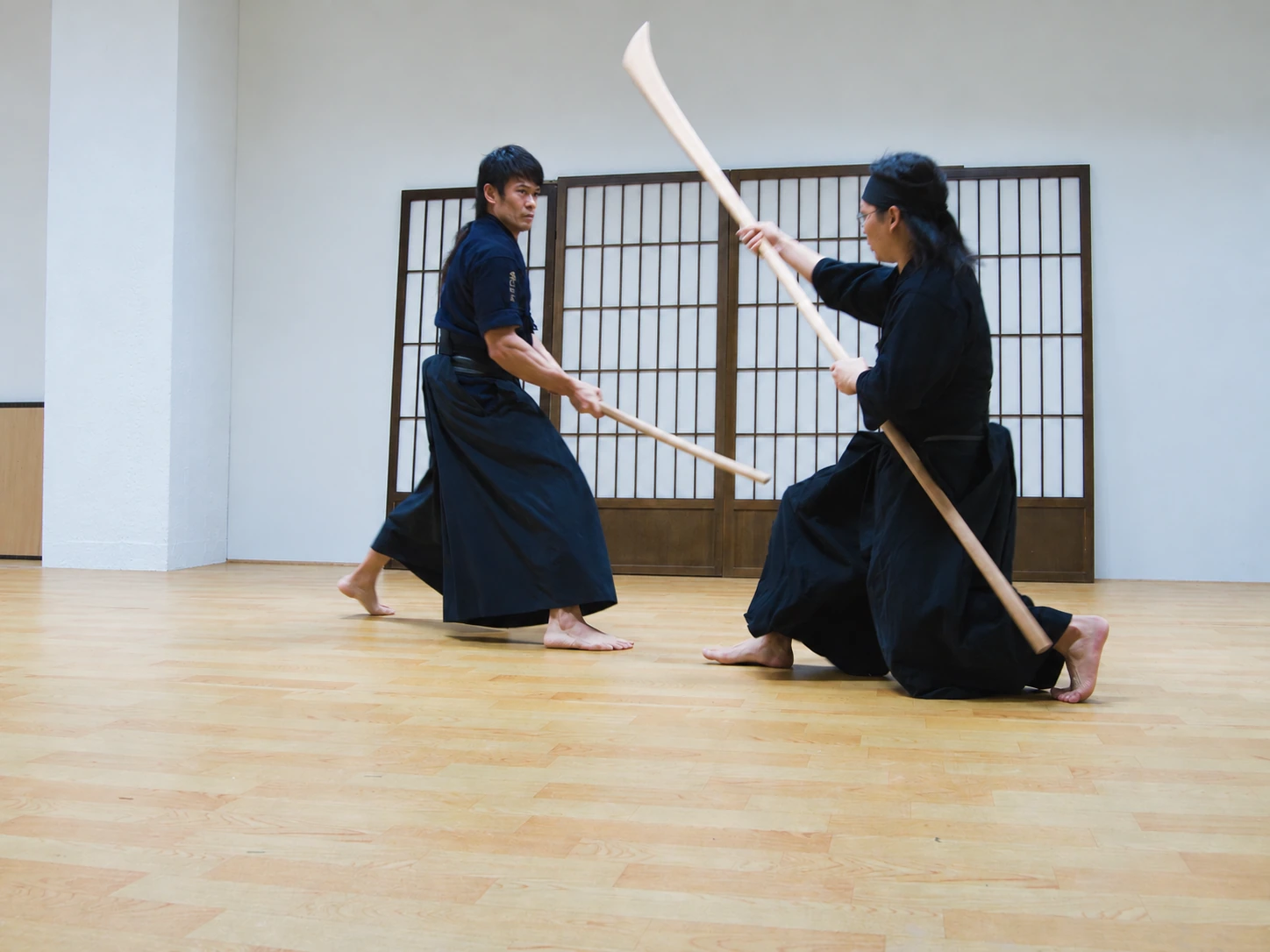
Naginata against wooden sword at an event, with a retouched background

Curriculum05 / 05

Naginata

NAGINATAJUTSU

Naginata (長刀, also written 薙刀) practice pairs the polearm against a sword, using the blade, shaft and butt end. Cuts, blade turns and transitions between attack and defence develop an understanding of reach and leverage, alongside whole-body coordination and endurance.

Naginata forms4 forms

Omote no Naginata(4 forms)

  1. 五津之長刀Itsutsu no Naginata
  2. 七津之長刀Nanatsu no Naginata
  3. 霞之長刀Kasumi no Naginata
  4. 八箇之長刀Hakka no Naginata
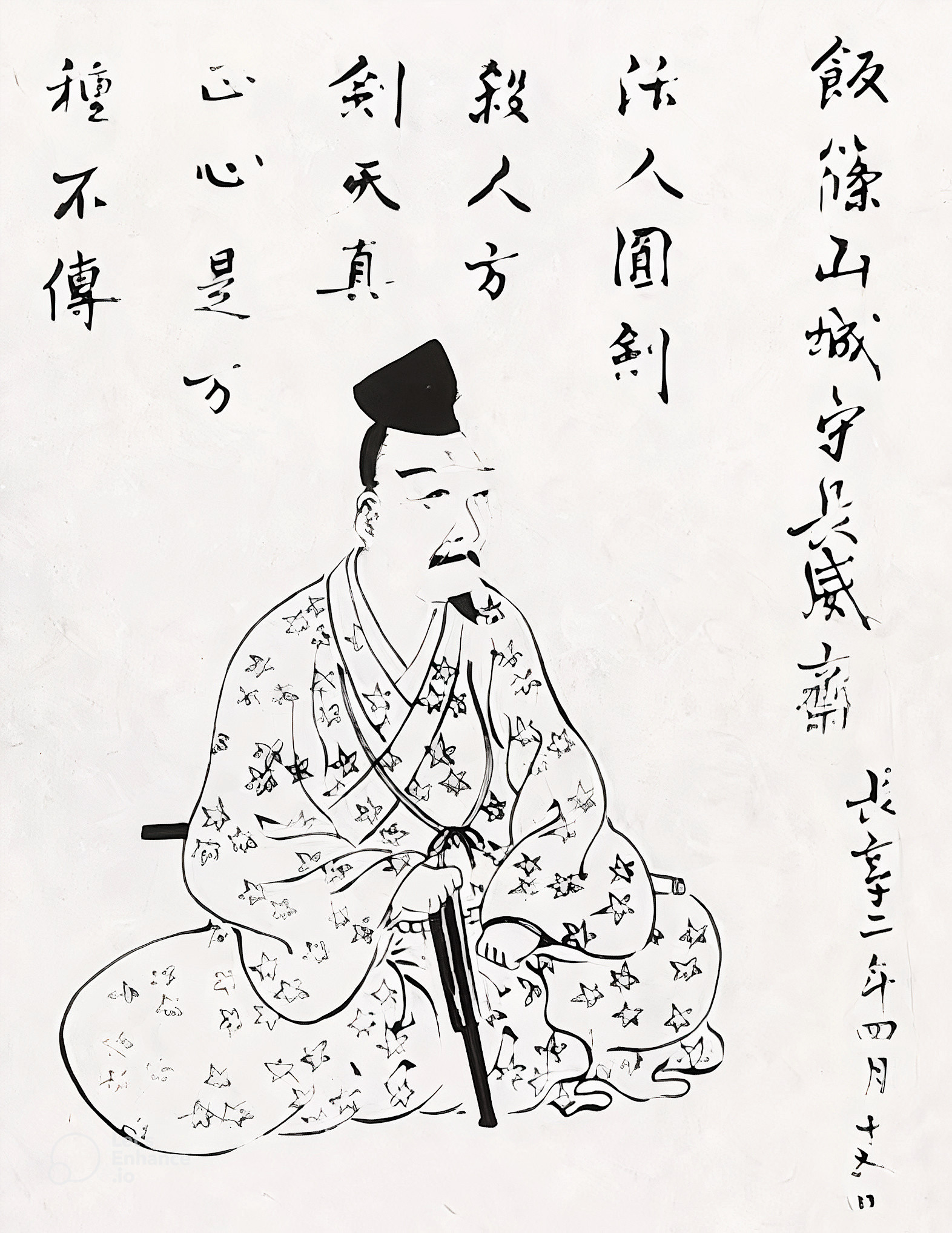
Traditional portrait of Iizasa Chōisai Ienao surrounded by calligraphy
Founder · Iizasa Chōisai Ienao

A Japanese martial tradition
from the Muromachi period.

Tenshinshō-den Katori Shintō-ryū was founded by Iizasa Chōisai Ienao in the mid-Muromachi period in Katori, Shimōsa Province, now Katori City in Chiba. Its teachings encompass martial skills, strategy, philosophy and personal development.

According to tradition, at the age of sixty Ienao vowed to undertake a thousand days and nights of training at Katori Shrine. He is said to have received a divine scroll of martial strategy from Katori Ōkami, a legend reflected in the name Tenshinshō-den.

The practice transmitted at Shinbukan passed from Hayashi Sakuichirō to Hayashi Yazaemon, and then to Shinbukan founder Ōtake Risuke. Today, his eldest son, shihan Ōtake Nobutoshi, leads instruction with the support of several shihan-dai.

In 1960, Katori Shintō-ryū was designated an Intangible Cultural Property of Chiba Prefecture.

Read Shinbukan’s official overview (Japanese)

Shinbukan Hong Kong Branch

Shinbukan Hong Kong Branch teaches Katori Shintō-ryū in Hong Kong under a Japanese instructor based locally. Instructor details are listed in Shinbukan’s official branch directory.

石嶌 良一Ishijima RyouichiMokuroku / InstructorMokuroku / Shidosha
View Shinbukan’s official branch directory

Joining & enquiries

Class arrangements, common questions and contact details.

View details